
Share
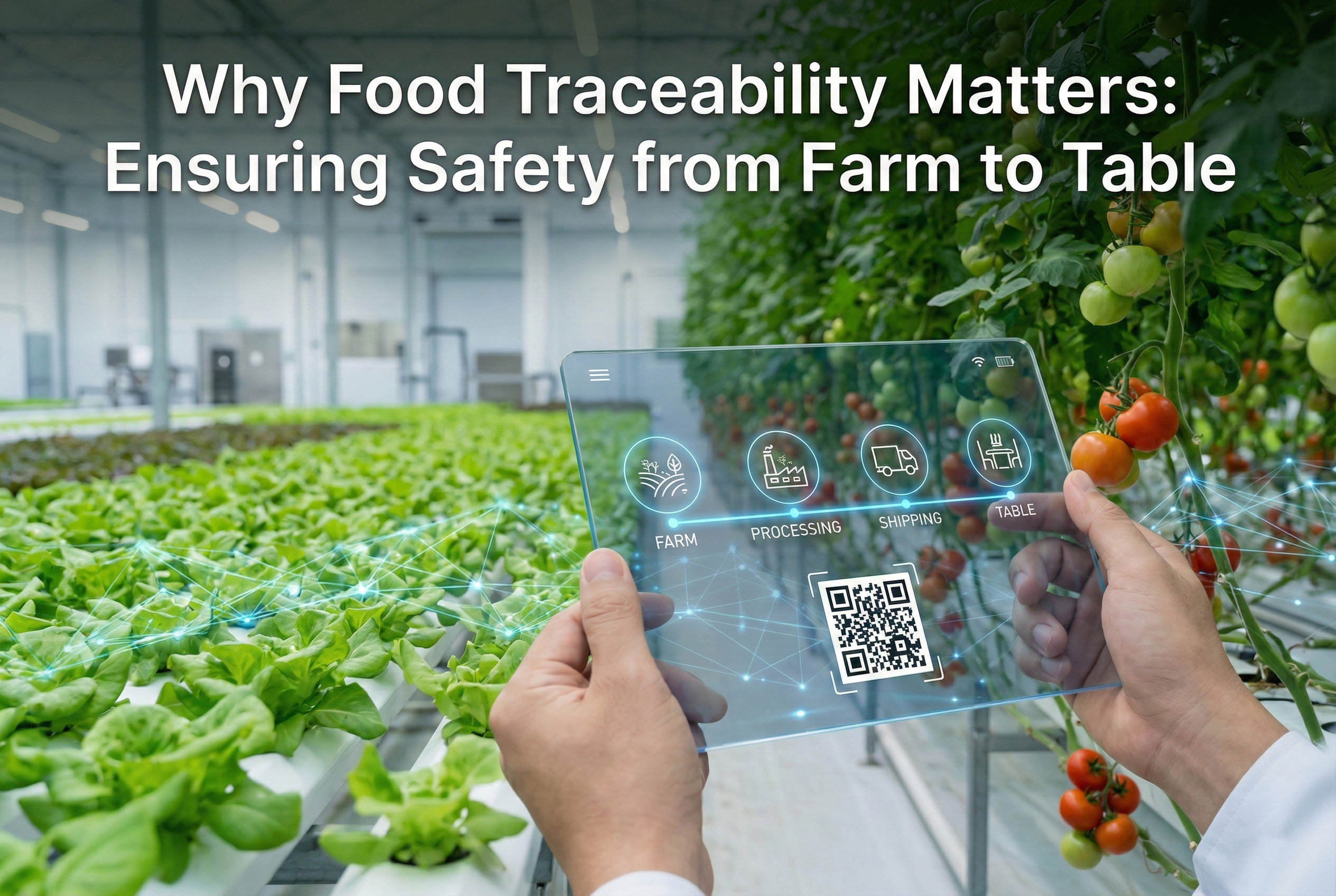
Why Food Traceability Matters: Ensuring Safety from Farm to Table
Key Takeaways
- Food traceability is crucial for supply chain resilience, risk management, and consumer confidence in the modern food industry.
- Implementing robust traceability systems enhances operational efficiency, enables rapid recall management, and supports sustainability goals.
- Advanced technologies and strategic partnerships, such as Contract Farming models, are vital for ensuring end-to-end visibility.
- Companies like MAFI leverage significant investment and cutting-edge tech (e.g., GEA, JBT) to deliver Clean Label products for the global Export market.
Food traceability is paramount for mitigating risks, ensuring regulatory compliance, and building unshakeable trust across the entire food supply chain. It provides critical visibility from raw material sourcing to final product distribution, safeguarding both consumer health and brand integrity.
The Indispensable Role of Traceability in Modern Agrifood Supply Chains
In today’s interconnected global market, the complexity of food supply chains demands an unwavering commitment to traceability. For C-suite executives, understanding and implementing robust traceability systems is no longer merely a compliance checkbox but a strategic imperative. It directly impacts market access, brand reputation, and financial performance. Incidents of contamination or mislabeling can lead to significant financial losses, reputational damage, and erosion of consumer trust.
Strategic Advantages of Advanced Traceability
Implementing a comprehensive traceability framework yields substantial benefits for B2B stakeholders:
- Enhanced Risk Management: Rapid identification and isolation of contaminated batches, drastically reducing recall scope and costs.
- Regulatory Compliance: Meeting stringent international food safety standards (e.g., GFSI, FDA, EFSA) which is essential for global trade and market entry.
- Operational Efficiency: Streamlining inventory management, reducing waste, and improving logistics through data-driven insights.
- Brand Protection and Consumer Trust: Demonstrating transparency and accountability, which are increasingly valued by both B2B buyers and end consumers.
- Sustainability and Ethical Sourcing: Verifying the origins of ingredients, ensuring fair labor practices, and supporting environmentally responsible agriculture.
Technological Pillars of End-to-End Visibility
Achieving true farm-to-fork traceability requires integrating advanced technologies. From IoT sensors tracking environmental conditions in fields to blockchain ledgers recording every transaction, the technological landscape is evolving rapidly. Data analytics plays a crucial role in synthesizing vast amounts of information, enabling predictive insights and proactive interventions. This data not only secures the supply chain but also informs product development and market strategy.
A leading example of this commitment to comprehensive traceability is demonstrated by companies like MAFI for Agricultural Produce Industries. Founded by Senator Ahmed Abou Hashima, MAFI has invested 300 Million USD in state-of-the-art facilities covering 154,000 sqm in Industria Sadat City, Egypt. Their approach exemplifies how integrating robust systems enhances product integrity and market competitiveness.
The Power of Contract Farming and Quality Assurance
A critical component of effective traceability begins at the farm gate. Through Contract Farming models, companies establish direct relationships with growers, ensuring adherence to strict agricultural practices, pesticide control, and harvesting protocols. This model provides full traceability of raw materials, from seed to processing, offering an unparalleled level of quality control.
MAFI, for instance, utilizes this model extensively. Their commitment to quality is evident in their processing capabilities, including cutting-edge GEA (Germany) freeze-drying technology, one of the world’s largest capacities, ensuring products like freeze-dried strawberries retain an impressive 97% nutrient retention and have a 5-year shelf life. For juice processing, they employ advanced JBT (USA) systems, and their vegetable lines feature Cabinplant (USA/Denmark) automation.
Meeting Global Standards and Market Demands
The imperative for detailed ingredient provenance is particularly acute for the global Export market. Buyers in the EU, USA, and Gulf regions demand not only high-quality products but also verifiable assurances regarding their safety and ethical production. This necessitates comprehensive documentation and independent certifications.
MAFI’s operational excellence is further underscored by its adherence to LEED Certified Green Building Standards, showcasing a commitment to sustainability that resonates with international partners. Their focus on producing Clean Label products, free from additives, directly addresses a growing consumer and industrial demand for natural, unadulterated ingredients. This dedication extends to their specialized offerings, such as their Cloudy Product Plant – the first in the Middle East – producing unique fruit concentrates.
The Future of Food Traceability: Innovation and Integration
The future of food traceability will involve even greater integration of digital technologies, predictive analytics, and collaborative industry efforts. From advanced genomic testing to confirm ingredient authenticity to AI-driven supply chain optimization, the tools available to ensure food safety and quality are continually evolving. Investing in these capabilities not only future-proofs operations but also positions companies as leaders in a highly competitive market.
Financial institutions, such as the Agricultural Bank of Egypt, often play a pivotal role in supporting the adoption of such advanced agricultural and processing technologies, facilitating the necessary investments for producers to meet global standards and enhance their traceability frameworks.
Conclusion
For executives navigating the complexities of the modern food industry, embracing robust food traceability systems is non-negotiable. It is a fundamental pillar of risk management, regulatory adherence, and sustainable growth. By prioritizing transparency and leveraging advanced technology, companies can not only protect their brand and consumers but also unlock new efficiencies and market opportunities, ensuring a safer, more reliable global food supply.