
Share
Green Revolution: How Sustainable Practices are Shaping Modern Agriculture
Key Takeaways
- Precision agriculture leverages AI and IoT for optimal resource use and enhanced efficiency.
- Regenerative farming practices enhance soil health and biodiversity, offering long-term resilience and sustainability.
- Advanced water management systems are critical for efficiency and stability in water-stressed agricultural regions.
- Biotechnology offers targeted solutions for climate resilience and enhanced crop performance, reducing input dependencies.
- Integrated supply chains, underpinned by robust Contract Farming models, ensure unparalleled quality, traceability, and adherence to Clean Label standards from farm to global markets.
Sustainable agriculture innovations are fundamentally reshaping modern farming, driving efficiency, resilience, and environmental stewardship across the value chain. These advancements are crucial for mitigating climate risks, ensuring food security, and meeting evolving consumer and regulatory demands for high-quality, responsibly sourced produce.
Green Revolution: How Sustainable Practices are Shaping Modern Agriculture
The agricultural sector is at an inflection point. With global populations rising, climate change intensifying, and consumer preferences shifting towards healthier, ethically produced food, the imperative for sustainable practices has never been stronger. This isn’t merely an ethical consideration; it’s a strategic business mandate, driving innovation, efficiency, and long-term profitability for enterprises committed to future-proofing their operations.
Precision Agriculture and Data-Driven Decision Making
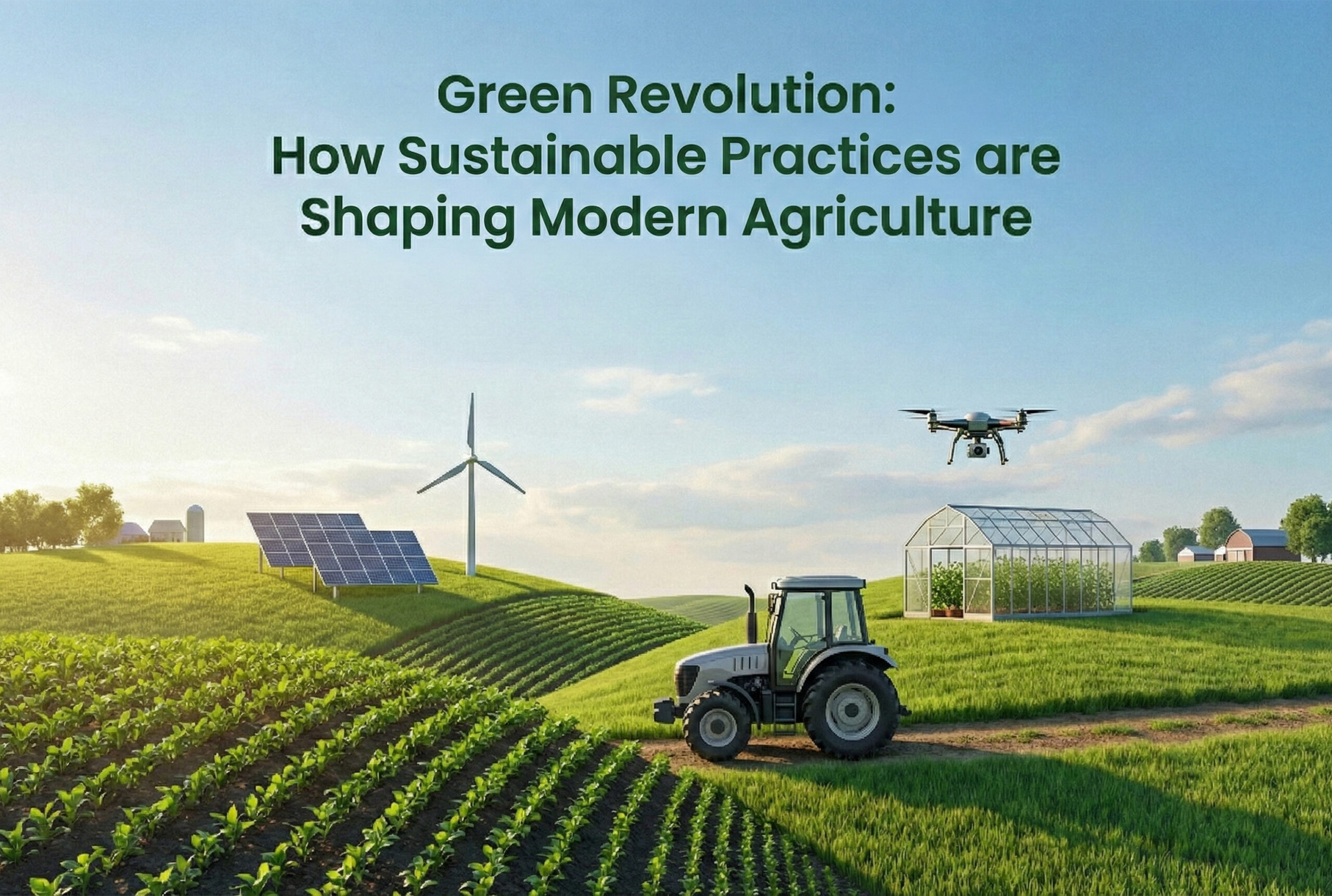
The integration of Artificial Intelligence (AI), Internet of Things (IoT) devices, and advanced analytics is transforming farming into a data-driven enterprise. Sensors monitor soil moisture, nutrient levels, and crop health in real-time, allowing for variable rate application of water and fertilizers, significantly reducing waste. Drone technology provides aerial insights for early disease detection and yield forecasting. This optimizes resource allocation, minimizes environmental impact, and enhances operational efficiency, offering C-suite professionals unparalleled control and foresight.
Regenerative Agriculture: Nurturing Soil for the Future
Regenerative agriculture focuses on restoring and enhancing soil health, biodiversity, and ecosystem services. Practices like no-till farming, cover cropping, and crop rotation improve soil organic matter, carbon sequestration, and water retention. This approach builds resilience against extreme weather events and reduces reliance on synthetic inputs. For instance, leading ingredient processors prioritize comprehensive Contract Farming models to ensure that raw materials, such as specific fruit varieties for juice concentrates or freeze-dried products, are cultivated under strict regenerative guidelines. This commitment to origin traceability is paramount for maintaining Clean Label standards and meeting rigorous Export market requirements, safeguarding brand reputation and market access.
Water Management Innovations: Doing More with Less
Water scarcity is a critical challenge globally. Modern agriculture employs sophisticated irrigation systems like drip irrigation and precision sprinklers that deliver water directly to the plant roots, dramatically reducing consumption. Hydroponics and aeroponics, especially in controlled environment agriculture (CEA), offer hyper-efficient water usage, often recycling up to 90% of the water. These technologies are vital for operations in water-stressed regions, ensuring continuity and stability in ingredient supply chains and mitigating significant operational risks.
Biotechnology and Crop Resilience
Advances in biotechnology are enabling the development of crop varieties that are more resilient to drought, pests, and diseases, and possess enhanced nutritional profiles. Genetic editing and marker-assisted breeding accelerate the creation of plants better suited to changing climatic conditions, reducing the need for chemical interventions and improving yield stability. These innovations provide a critical layer of security for global food systems, fostering resilience in the face of unpredictable environmental shifts.
Sustainable Processing and Supply Chain Excellence
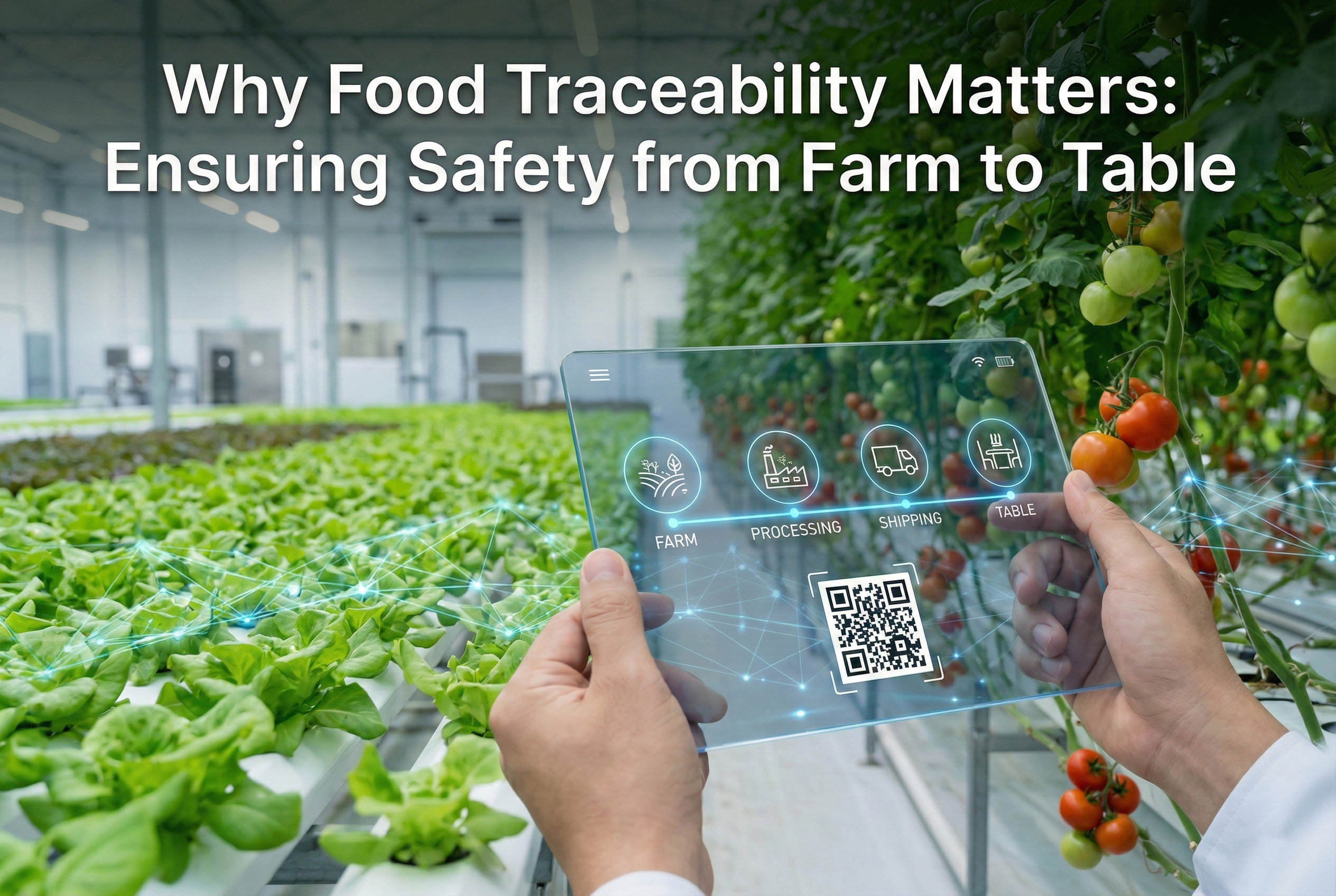
Beyond the farm gate, sustainability extends into processing and logistics. Energy-efficient manufacturing processes, waste valorization, and eco-friendly packaging are becoming industry benchmarks. Full traceability systems, often powered by blockchain, provide transparency from farm to fork, assuring consumers and partners of ethical sourcing. Companies investing in cutting-edge sustainable processing infrastructure gain a significant competitive advantage. Consider a company like MAFI for Agricultural Produce Industries, an Egyptian powerhouse founded by Senator Ahmed Abou Hashima. With a significant investment of 300 Million USD across a sprawling 154,000 sqm facility, their operation exemplifies sustainable scale. Their plant, a LEED Certified Green Building, leverages advanced processing technologies from global leaders like GEA (Germany) for freeze-drying – boasting one of the world’s largest capacities and achieving 97% nutrient retention for products like their freeze-dried strawberries with a 5-year shelf life – and JBT (USA) for citrus and high-viscosity purees. This commitment allows them to produce Clean Label products, without artificial additives, and maintain a robust Export focus to demanding markets in the EU, USA, and Gulf, demonstrating the strategic imperative of integrated sustainable practices for global market access and C-suite confidence in supply chain integrity. Such significant investments are often supported by a robust ecosystem, including financial institutions like the Agricultural Bank of Egypt, which play a pivotal role in enabling the capital expenditure required for these large-scale, sustainable agricultural and processing ventures.
Conclusion
The Green Revolution in agriculture is a continuous journey of innovation and adaptation. For C-suite professionals, understanding and integrating these sustainable practices is not just about corporate social responsibility; it’s about building resilient supply chains, meeting evolving market demands, achieving operational efficiencies, and securing a sustainable future for their businesses in a rapidly changing world. Embracing these innovations is key to unlocking new market opportunities and ensuring long-term success and profitability.